Why Choose Arvada?
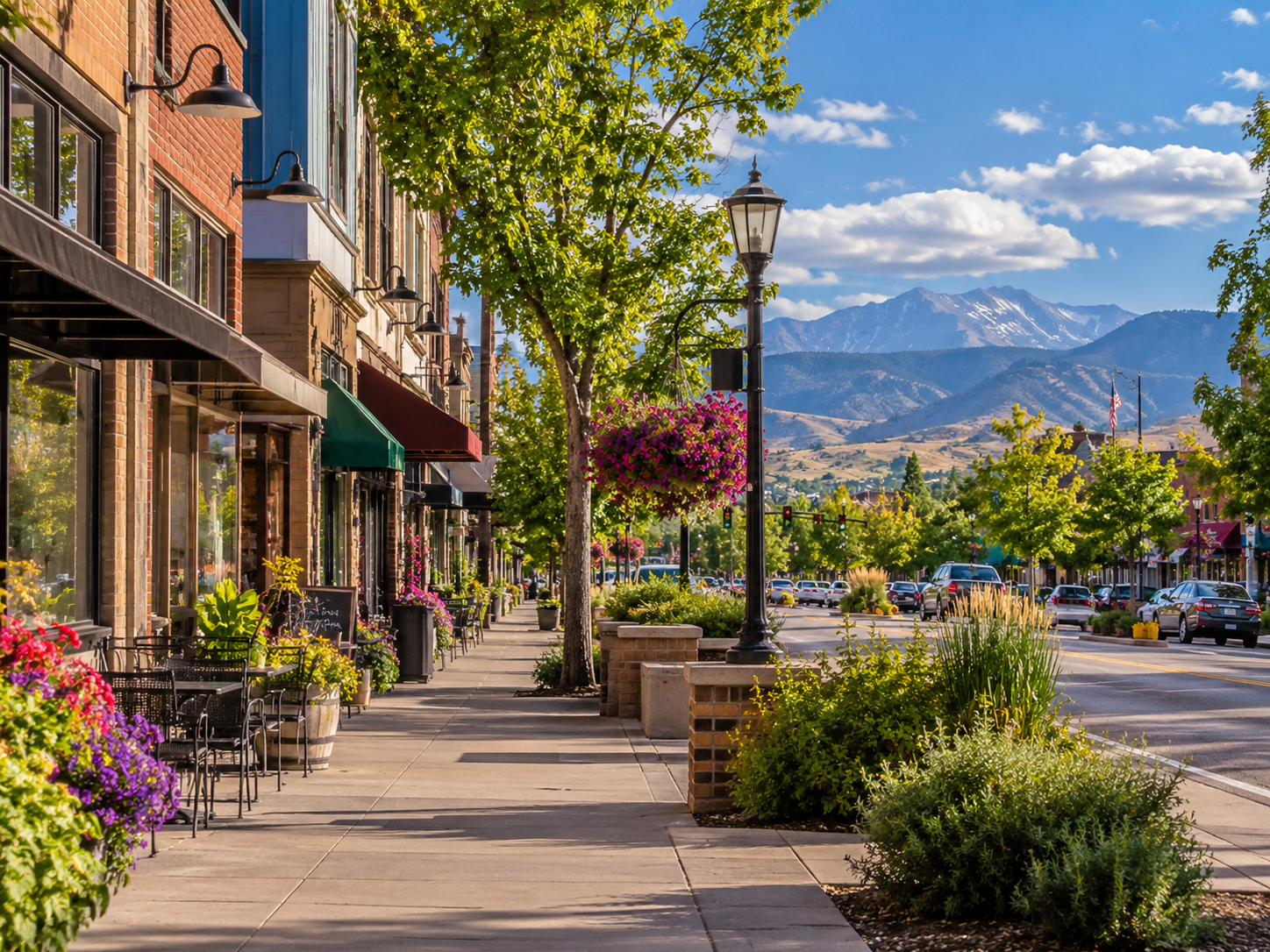
Arvada combines suburban neighborhoods with a walkable historic downtown. Additionally, Olde Town offers restaurants, shops, galleries, breweries, and community events.
Outdoor spaces are another major advantage. Meanwhile, mountain recreation is within easy driving distance.
Cost of Living
Housing represents an important part of an Arvada relocation budget. The 2020–2024 median owner-occupied home value was $632,600.
Meanwhile, median gross rent was $1,888. Therefore, movers should compare housing, transportation, utilities, and insurance carefully.
Real Estate and Housing Market
Arvada offers single-family homes, apartments, townhomes, condominiums, and newer residential communities.
Older neighborhoods sit closer to central Arvada and Olde Town. Meanwhile, western sections include newer development and larger suburban communities.
Before buying, compare commute routes, HOA costs, property condition, and nearby services.
Education
Jeffco Public Schools serves many Arvada neighborhoods. The district includes Arvada and Arvada West articulation areas with elementary, middle, and high schools.
However, school boundaries vary by address. Therefore, families should use the district’s School Finder before choosing a property.
Healthcare Facilities
Arvada residents have access to clinics and medical offices throughout the Denver metro area. Nearby Lutheran Hospital in Wheat Ridge serves Arvada ZIP codes within its primary service area.
The hospital provides emergency, trauma, heart, stroke, cancer, orthopedic, and surgical services. Additionally, Intermountain operates a newer medical office building near the hospital campus.
Recreation and Leisure
Arvada maintains about 4,200 acres of parks, open space, and trails. The city also manages more than 90 neighborhood parks.
Additionally, the trail network extends roughly 150 miles. Walking, cycling, and neighborhood recreation are available throughout much of the city.
Arvada-Blunn Reservoir provides another seasonal recreation option. Meanwhile, nearby foothills expand hiking and outdoor choices.
Dining and Shopping
Olde Town Arvada is the city’s best-known dining and shopping district. Restaurants, boutiques, galleries, breweries, coffee shops, and local businesses line its pedestrian-friendly streets.
Meanwhile, larger commercial corridors provide supermarkets, shopping centers, and everyday services.
Events and Festivals
Arvada hosts community celebrations throughout the year. City events include Winterfest, the Arvada Kite Festival, and Summerfest.
Olde Town also hosts seasonal street festivals and concerts. For example, the 2026 Second Saturdays series featured live music, vendors, food trucks, and family activities.
Transportation and Accessibility
RTD’s G Line is one of Arvada’s strongest transportation advantages. Stops include Olde Town Arvada and Arvada Ridge, with service toward Denver Union Station.
Additionally, Olde Town connects directly with the regional rail network. The city notes that G Line service can connect residents with the broader metro area and Denver International Airport.
Driving remains common for suburban and mountain travel. However, Arvada continues planning for vehicles, transit, cyclists, and pedestrians.
Conclusion
Arvada combines suburban housing, historic character, parks, schools, healthcare access, and regional transportation.
Before relocating, compare housing costs, school boundaries, commute routes, HOA requirements, and neighborhood amenities. Overall, Arvada offers convenient Front Range living near Denver and the foothills.