Living in Aurora Colorado
Aurora stretches across Arapahoe, Adams, and Douglas counties east of Denver. The city reports a diverse population exceeding 398,000 residents.
Because Aurora covers a large area, daily convenience varies significantly. Therefore, compare workplace access, shopping, schools, and healthcare before moving.
Choosing an Aurora Neighborhood
Northwest Aurora offers older neighborhoods, established businesses, and easier access to Denver. Meanwhile, central areas provide apartments, parks, transit stations, and major commercial corridors.
Southeast Aurora features newer subdivisions and expanding residential development. Consequently, commute routes and nearby construction should influence your housing search.
Housing in Aurora
Aurora offers apartments, condominiums, townhomes, established houses, and newer suburban properties. However, prices and housing styles vary considerably by location.
Before buying, review zoning, permits, parcel details, and nearby development. Aurora provides official zoning, property-information, and active-development maps for address research.
Planning and Future Development
Growth continues in eastern and southeastern Aurora. As a result, vacant land near a home may eventually support housing, roads, schools, or commercial projects.
Therefore, check the city’s active-development map before purchasing. Planned construction may affect traffic, views, drainage, and neighborhood character.
Working in Aurora
Major employment fields include healthcare, aerospace, defense, education, government, logistics, construction, and professional services.
The Anschutz Medical Campus supports substantial healthcare, education, and research employment. Additionally, Denver and nearby suburbs expand regional job choices.
Because workplaces are spread across the metropolitan area, location should guide your housing decision.
Getting Around Aurora
Most residents rely on personal vehicles, buses, rail, or a combination of transportation options. Interstate 225, Interstate 70, E-470, Colfax Avenue, and Parker Road serve major corridors.
RTD operates more than 100 bus routes, ten rail lines, and 96 Park-n-Ride facilities across the Denver region.
Additionally, the R Line travels through Aurora and connects with the A and E rail lines. It serves stations including Peoria, Fitzsimons, Colfax, and Aurora Metro Center.
Denver International Airport
Denver International Airport is northeast of Aurora and serves as the region’s primary commercial airport. Its location can be especially convenient for northern and eastern Aurora neighborhoods.
Airport transportation includes driving, rideshares, shuttles, taxis, buses, and rail connections. However, travel time depends on traffic and the property’s location.
Preparing for Aurora Weather
Aurora experiences dry air, sunny conditions, summer thunderstorms, hail, snow, wind, and sudden temperature changes.
Therefore, dependable heating, cooling, vehicle preparation, and emergency supplies remain important. Additionally, newcomers may need time to adjust to the area’s elevation.
Property and Weather Risks
Hail can create significant roof and vehicle damage. Meanwhile, heavy storms may cause drainage problems or localized flooding.
Eastern properties may also face open-space or grassfire concerns. Consequently, compare insurance costs, drainage, roof condition, and emergency access before purchasing.
Aurora Schools and Enrollment
Aurora addresses may fall within Aurora Public Schools or other surrounding districts. Therefore, families should verify the district and assigned campus using the exact property address.
Aurora Public Schools provides centralized registration and online enrollment support for new students. The district currently serves more than 38,000 students.
School boundaries and programs may change. Consequently, confirm current enrollment procedures before signing a lease or buying a home.
Parks and Outdoor Recreation
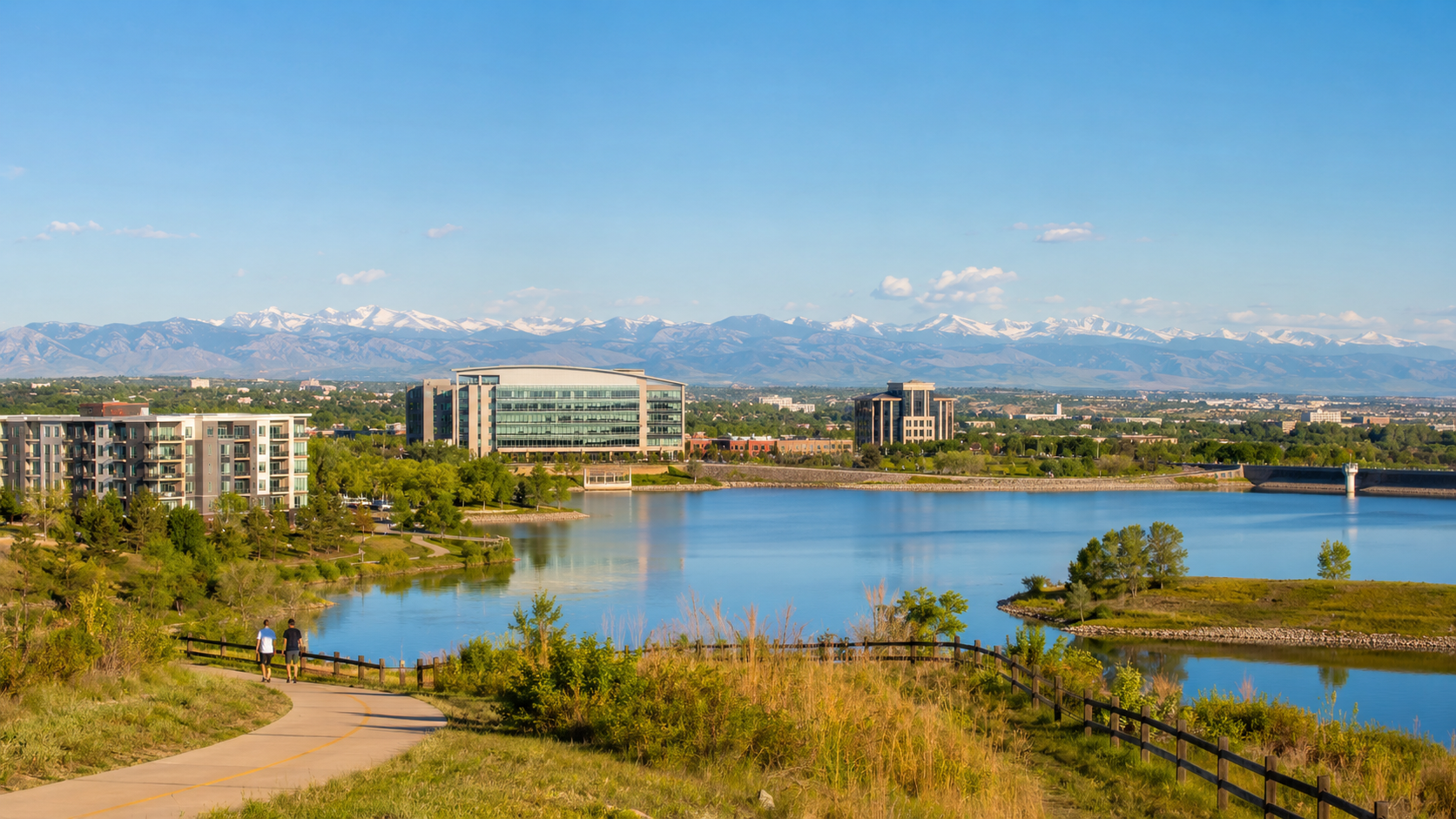
Aurora provides parks, trails, recreation centers, golf courses, sports facilities, reservoirs, and open spaces.
Aurora Reservoir and Cherry Creek State Park offer boating, fishing, swimming, trails, and wildlife viewing. Meanwhile, neighborhood parks support everyday recreation closer to home.
Because summer storms can develop quickly, check weather conditions before extended outdoor activities.
Shopping, Dining, and Entertainment
Aurora offers diverse restaurants, international markets, shopping centers, cultural attractions, and entertainment venues.
Stanley Marketplace provides dining, shopping, and community events. Meanwhile, Southlands offers larger retail and entertainment choices in southeast Aurora.
Visit Aurora maintains information about local attractions, events, dining, and shopping.
Setting Up Aurora Utilities
Utility providers can vary by address and county. Therefore, confirm water, wastewater, electricity, gas, trash, recycling, and internet services before moving.
Some Aurora properties receive municipal water service, while others may use separate districts. Additionally, renters should confirm which utilities are included in the lease.
Final Thoughts
Aurora Colorado combines metropolitan access, diverse neighborhoods, regional employment, and extensive recreation. However, its large size makes location especially important.
Most importantly, compare housing costs, commute routes, school districts, transit access, insurance, and planned development before choosing your home.